Baton Rouge New Construction vs Resale: How to Choose
February 19, 2026
February 19, 2026
Should you buy new construction or a resale home in Baton Rouge? It is a big choice that touches your budget, move-in timeline, flood risk, and long-term maintenance. In this guide, you will compare both paths side by side for East Baton Rouge so you can choose with confidence. You will get local tips on pricing, financing, warranties, permits, and a practical checklist to use with builders or listing agents. Let’s dive in.
As a dated baseline, mid-2025 reporting for East Baton Rouge Parish showed a median detached single-family price around $286,990 and a median 27 days on market. You should expect variation by neighborhood and by property type, and current MLS numbers may differ. Use up-to-date comps when you are comparing a brand-new build to an older resale in the same area. You can reference a recent parish summary to see how the market is trending over time in local market briefs.
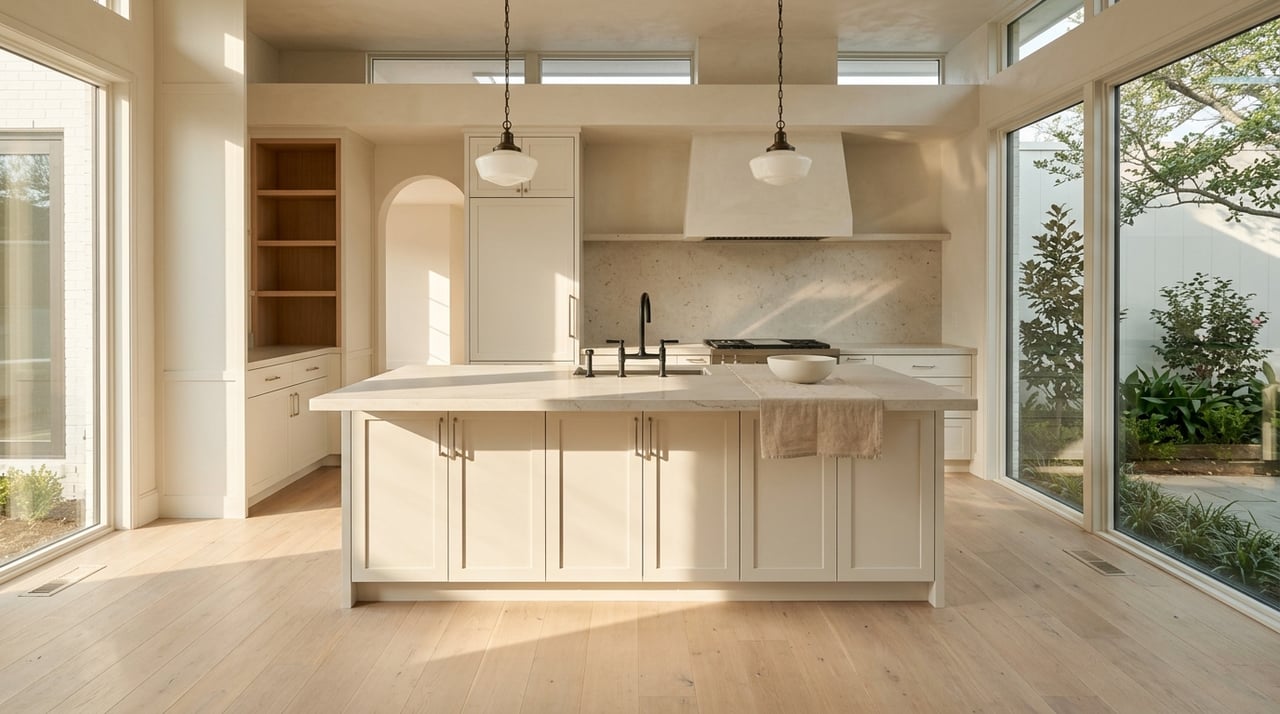
New homes offer modern layouts, efficient systems, and the chance to personalize finishes when you buy early. You often get fewer short-term repairs and a builder warranty that outlines what is covered post-closing. If a home is HERS or ENERGY STAR rated, you may see lower utility bills compared with older homes. Quick-move spec homes can shorten your timeline if you do not want to wait for a full build.
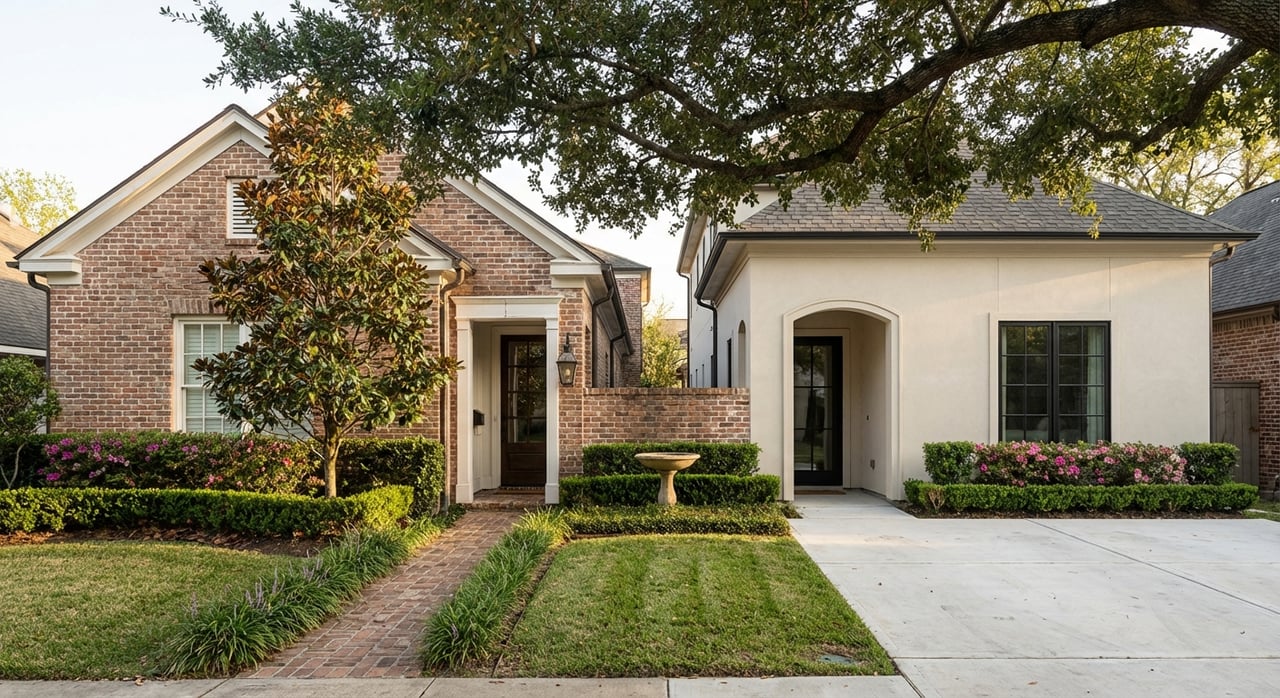
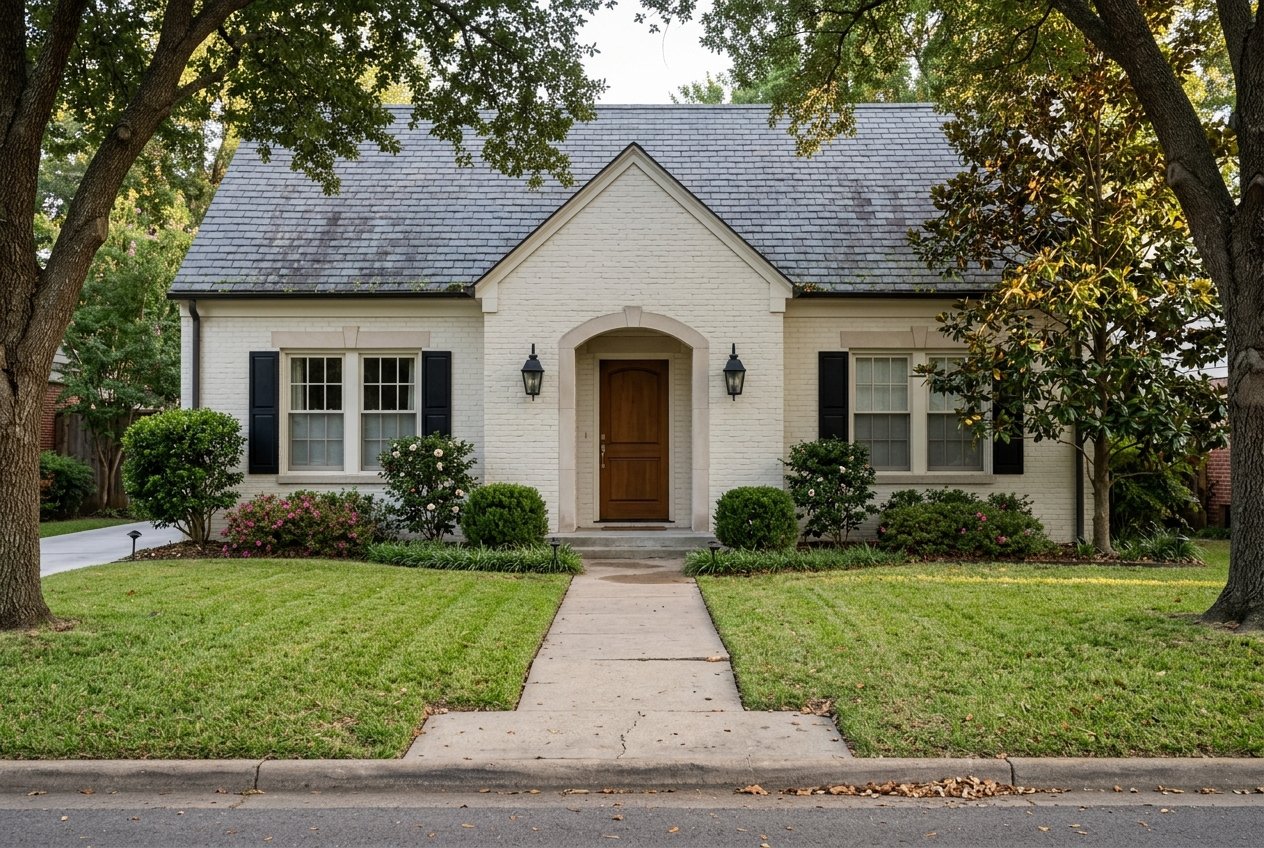
Resale homes can deliver established lots, mature landscaping, and faster move-in. You may find price flexibility through negotiation and stronger comparable sales in established neighborhoods. You can also assess the home’s history through disclosures, permits, and utility records before you buy. If you value speed and location certainty, resale can be a strong fit.
There is often a price premium for new construction due to new systems, finishes, and lot or community amenities. The difference can be modest in some markets, but in Baton Rouge, lot elevation costs and neighborhood features can move the number. Rather than relying on a national rule of thumb, compare local comps to confirm the gap between a specific new build and a nearby resale as general pros and cons suggest.
Consider these price notes:
Most resale purchases close in about 30 to 60 days, depending on financing and repairs discovered during inspections. You will complete inspections, appraisal, loan approval, and closing in a familiar sequence. If you need to move quickly, resale often fits that need.
Ground-up builds often run 6 to 12 months or more, depending on weather, permitting, and materials. Spec homes can close faster since much of the work is complete. Before move-in, a Certificate of Occupancy is required, and you can verify permits and inspection history with the City-Parish Permits & Inspections portal.
Construction loans differ from standard mortgages. Some products are single-close construction-to-permanent, while others involve two closings. Lenders manage draws, inspections, and disclosures differently than a typical mortgage, so confirm the exact process and timelines with your lender as the CFPB notes about construction loan disclosures.
Builder incentives can help, but they are treated as negotiated dollars. Get every incentive written into the contract and ask how your lender and appraiser will classify it. For insured loans, certain concessions that exceed program limits may require dollar-for-dollar adjustments, which can change the effective price you can finance per FHA underwriting guidance.
New homes are typically built to current codes with modern HVAC, insulation, and windows, which can lower operating costs compared with older homes, especially when the builder documents energy ratings per consumer guides. You also get a builder warranty that outlines coverage for workmanship, systems, and structural elements. Many builders use third-party, insurance-backed plans commonly described as 1-2-10 programs, and you should read how claims are filed and handled per warranty providers.
In Louisiana, statutory protections matter. The Louisiana New Home Warranty Act establishes mandatory warranty periods and remedies under state law, which can differ from private 1-2-10 plans. Always review the builder’s written warranty alongside statutory protections and ask how they work together in practice see discussion of the statute.
East Baton Rouge has meaningful floodplain considerations. Many new communities require higher finished-floor elevations, and individual lots may need elevation certificates. Review parish mitigation resources to understand drainage plans and elevation impacts on your insurance and timeline via the City-Parish mitigation page. You can also pull address-level flood maps to estimate insurance needs and verify Special Flood Hazard Area status through the FEMA Flood Map Service Center.
Before closing on a new build, confirm that the Certificate of Occupancy is issued, and that all inspections are complete. Ask the builder for the permit record and inspection log for your lot so you know what has been approved by the parish through Permits & Inspections. For both new and resale, review any recorded servitudes or utility easements that affect drainage, fences, or future additions.
Many new communities in Baton Rouge include HOAs with architectural review controls. Get fee amounts, rules for exterior changes, and maintenance responsibilities in writing before you buy. For resale homes inside an HOA, request the most recent budget, reserve study if available, and any pending special assessments. Understanding the rules up front helps you plan renovations without surprises.
If you are considering new construction, research the builder’s track record. Check membership and community involvement through the local Home Builders Association directory, look up customer feedback, and visit recent neighborhoods to see quality and warranty responsiveness in the field using the HBA directory. Ask for references, warranty claim response timelines, and clarity on post-closing service.
Whether you are leaning new construction or a resale in Baton Rouge, you do not have to navigate the details alone. Our team will help you compare neighborhoods, lot elevation and flood risk, warranty coverage, incentives, and current comps so you can buy with confidence. Ready to start? Connect with The Natasha Engle Team to Schedule a Complimentary Home Consultation & Market Valuation.

Not only do we provide you resources on finding you your new dream home; We will also sell your home quickly with technology that far surpasses the average agent.