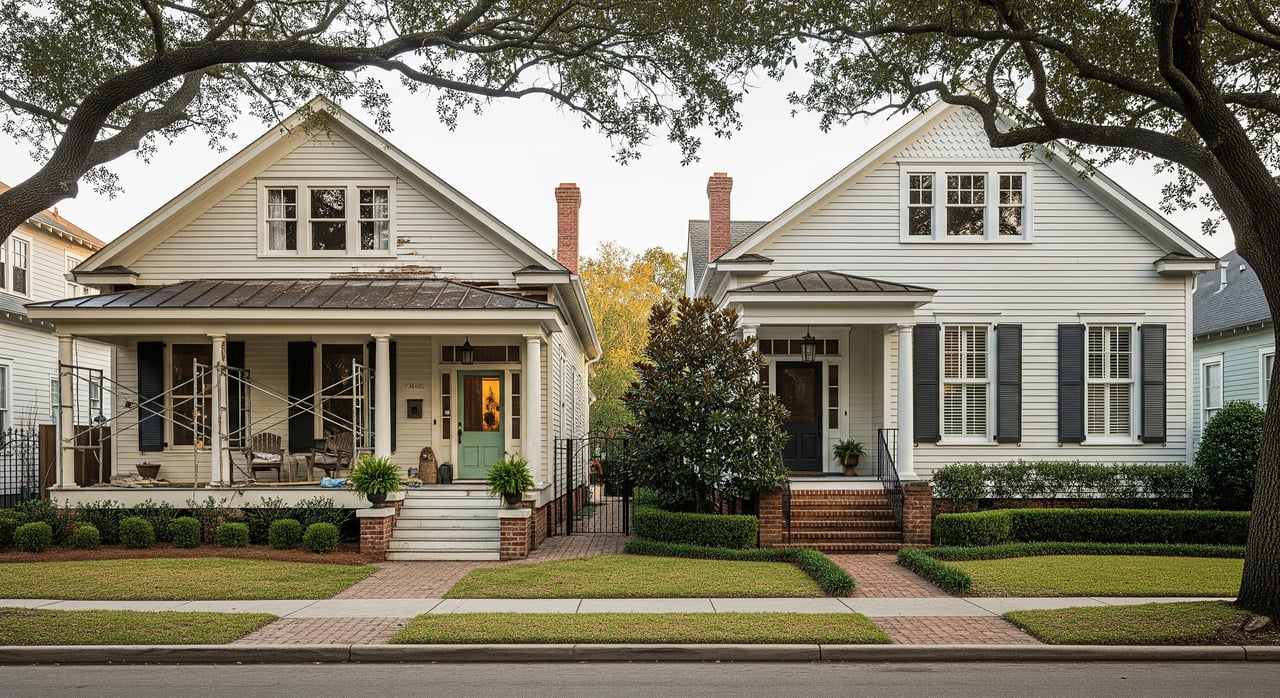
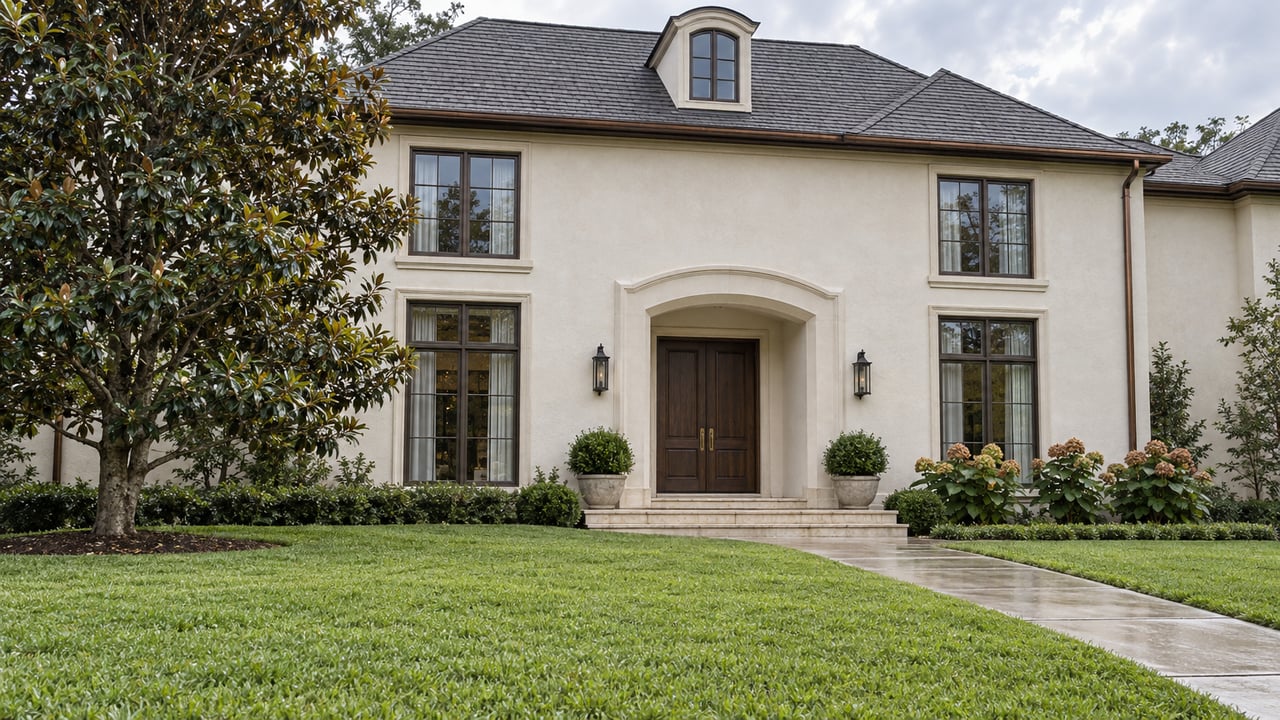
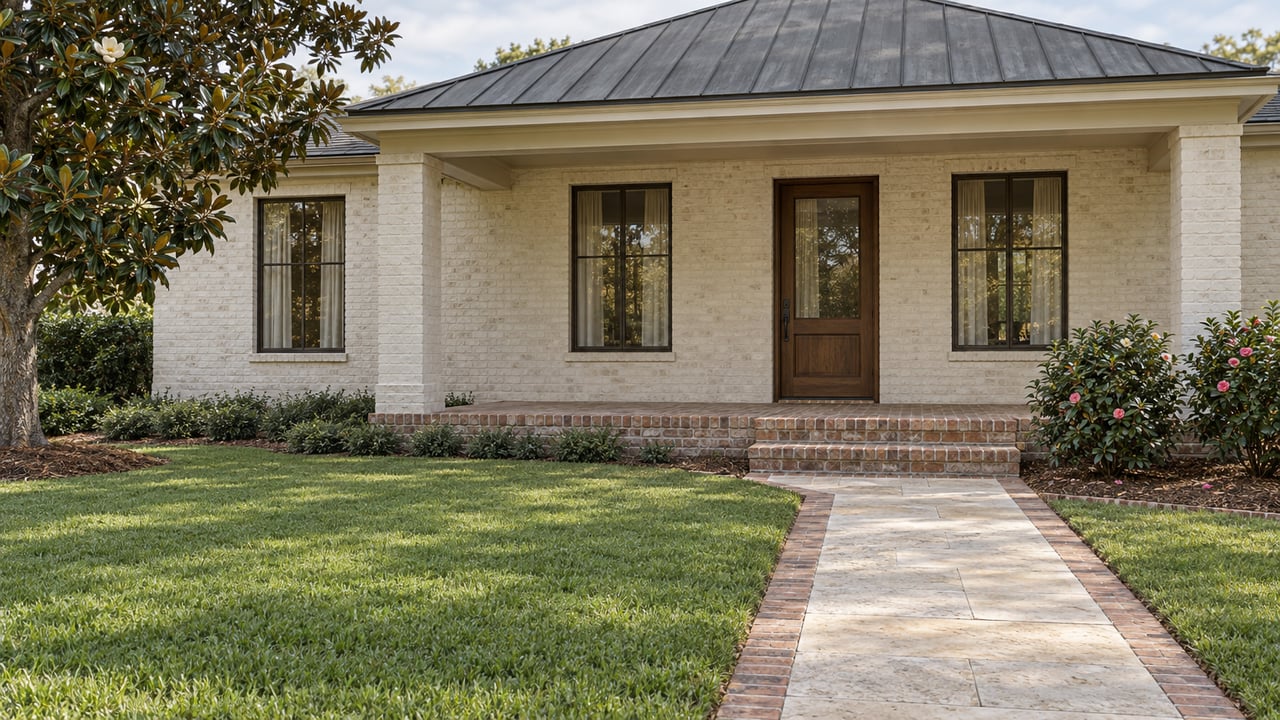
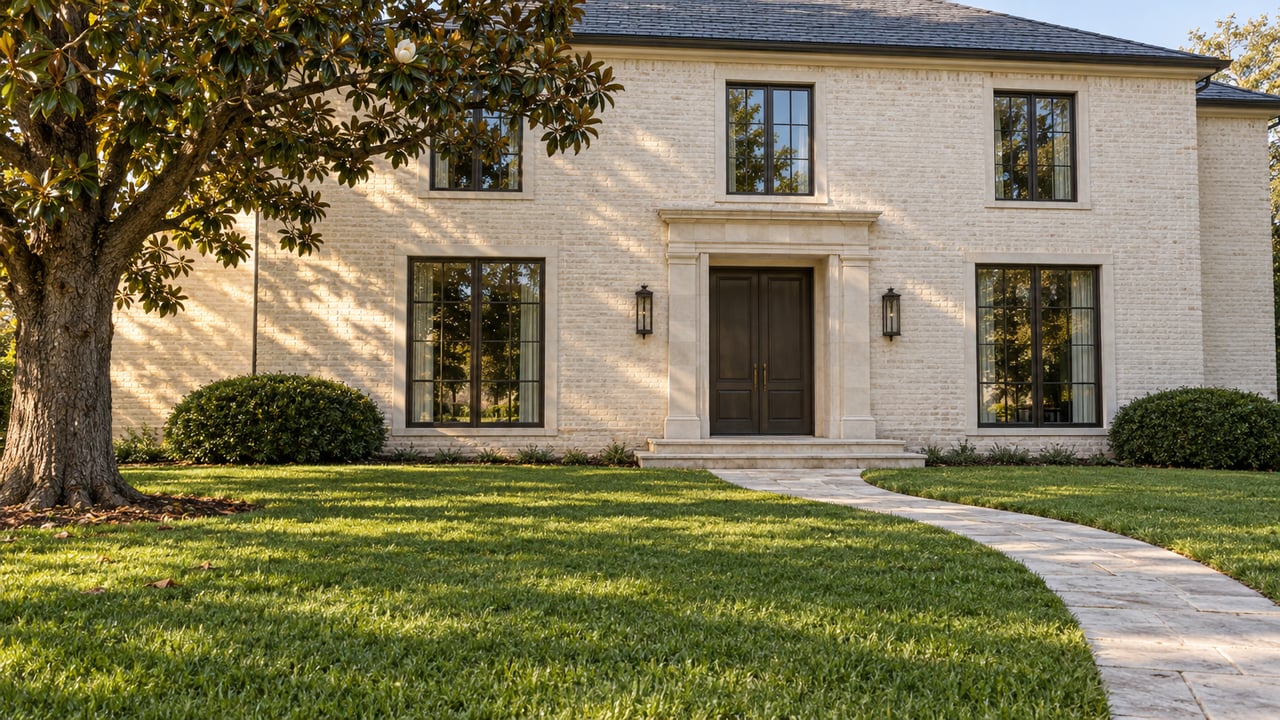
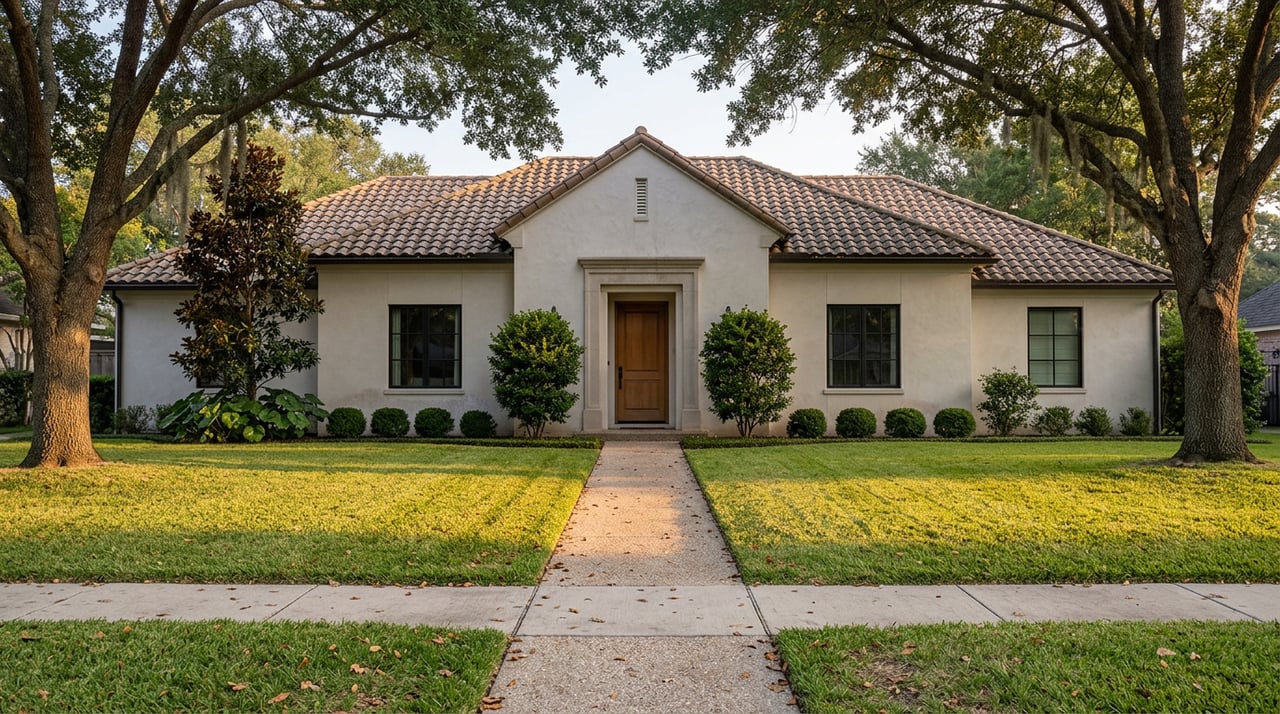
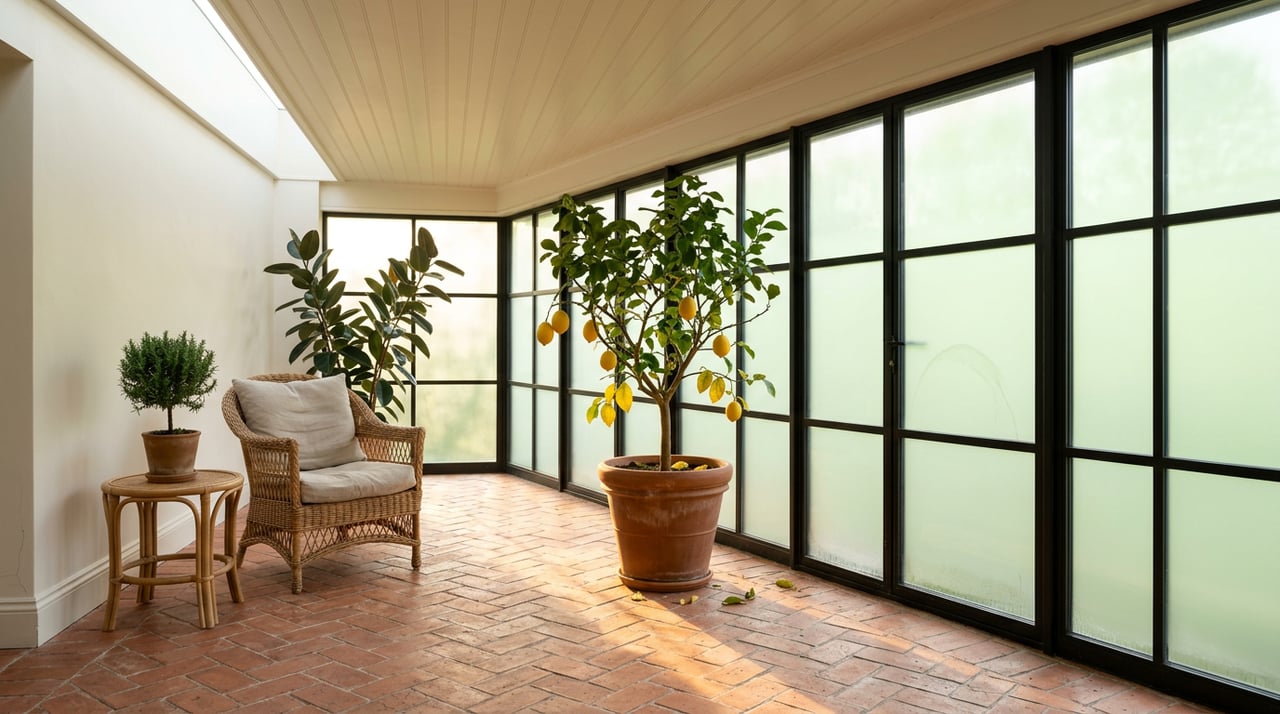
Eyeing a classic cottage near LSU or dreaming of a move-in-ready home steps from dining and parks? In University Gardens, you often face a clear choice: pay a premium for turnkey convenience or buy a fixer-upper and build equity over time. Both paths can work well in 70808 if you match the option to your budget, timeline, and risk comfort.
This guide gives you a realistic comparison tailored to University Gardens. You will learn how walkability affects pricing, what typical renovations cost and how long they take, how flood and permitting shape your plan, and which financing options can help. Let’s dive in.
University Gardens at a glance
University Gardens offers a walkable, amenity-rich lifestyle near campus, retail, parks, and major corridors. Buyers who value convenience often pay more for homes that are updated and move-in ready. That walkability premium also tends to speed up resale for turnkey properties.
Many homes here were built mid-century, so you may see original plumbing or electrical, aging HVAC, roofs near end of life, or dated kitchens and baths. Moisture and foundation issues can appear in older homes. In Baton Rouge, you also need to consider flood risk and insurance when comparing properties.
Turnkey vs. fixer-upper: quick comparison
What you get with turnkey
- Immediate move-in and predictable costs.
- Minimal disruption to your routine.
- Higher upfront price in a walkable area where updated homes move faster.
- Lower risk of hidden issues, plus simpler insurance and financing.
What you take on with a fixer-upper
- Lower purchase price potential and room to create the finishes you want.
- Renovation management, contractor oversight, permits, and inspections.
- Carrying costs during the project, such as mortgage, taxes, insurance, and possibly temporary housing.
- Uncertainty from hidden conditions that can add cost or time.
Total cost and time trade-offs
- Turnkey: you pay the premium for convenience, but you avoid construction delays and carrying costs.
- Fixer-upper: you can build equity, but you must budget for renovation plus a 10–25% contingency and plan for realistic timelines.
Renovation costs and timelines in 70808
Use local contractor bids for final numbers. The ranges below help you compare scenarios and plan contingencies.
Cosmetic refresh
- Typical work: paint, flooring, light fixtures, trim, cabinet refacing, hardware.
- Cost range: about $5 to $20+ per square foot.
- Timeline: 2 to 6 weeks, depending on trade scheduling.
Systems and mid-range remodels
- HVAC replacement: about $4,000 to $12,000.
- Electrical panel upgrade or partial rewiring: about $3,000 to $15,000.
- Plumbing repairs or partial repipe: about $2,000 to $10,000+.
- Kitchen remodel (mid-range): about $20,000 to $60,000.
- Bathroom remodel (mid-range): about $10,000 to $25,000 per bath.
- Roof replacement: about $5,000 to $15,000.
- Timeline: 2 to 8 weeks for systems; 4 to 12 weeks for a single kitchen or bath.
Full remodels, additions, and structural work
- Full-house gut remodel: about 3 to 9 months.
- Additions or major structural work: about 4 to 12+ months.
- Foundation repair or major structural: often $5,000 to $30,000+.
- Expect more design and permitting steps, plus longer inspection windows.
Plan for a 10–25% contingency to cover surprises like concealed moisture damage, older wiring types, or abatement of lead-based paint in pre-1978 homes.
Flood, permitting, and insurance essentials
Baton Rouge includes areas with flood risk. Before you commit, check the property’s flood status and discuss insurance early.
- Flood zones: Review the location on the FEMA Flood Map Service Center. Ask for elevation certificates and any prior flood claims.
- Insurance: Premiums can be higher in certain zones or on homes with prior flood history. Renovations that alter the home’s footprint or elevation can trigger additional requirements.
- Permits: Significant work typically requires building, electrical, plumbing, and mechanical permits from the parish. Unpermitted work can complicate resale and insurance claims.
- Reassessment: Major renovations or added square footage can prompt a reassessment by the parish, which may increase property taxes.
If you are evaluating a fixer-upper, factor in permit timing, inspection sequencing, and potential insurance changes along with construction schedules.
Financing your path in 70808
Different financing options can make a fixer-upper more feasible or help you stick with move-in ready while preserving reserves. Consider these common paths:
- Cash: Simple, but it ties up capital.
- Conventional mortgage plus separate renovation funds: Use savings or a HELOC after closing for updates.
- FHA 203(k) renovation loan: One mortgage that finances purchase plus rehab. Streamlined options exist for limited repairs; full 203(k) supports structural work. Review the FHA 203(k) program.
- Fannie Mae HomeStyle Renovation loan: A conventional alternative that wraps renovation costs into the mortgage. Explore the HomeStyle Renovation loan.
- Construction-to-permanent or rehab construction loans: Useful for large additions or full reconfigurations.
Local lenders experienced with renovation products can help set expectations for draw schedules, inspection checkpoints, and timeline requirements.
Resale and ROI in University Gardens
In a walkable neighborhood, updated homes often command stronger prices and move faster. Kitchens and bathrooms typically offer the highest return among interior projects, but your ROI depends on local comparable sales in 70808 and buyer expectations for finishes.
Avoid over-improving. Compare your projected finished value to the highest recent sale of comparable fully renovated homes in University Gardens. The goal is to match neighborhood standards, not exceed them by a wide margin.
For high-level benchmarks on project returns by category, see Remodeling Magazine’s Cost vs. Value report. Use it as a guide and rely on local comps for your final decision.
Due diligence checklist for buyers
- Get a full home inspection and add specialized inspections if needed: structural engineer for foundation questions, HVAC, sewer scope, pest, and mold testing. For pre-1978 homes, consider lead-based paint testing.
- Ask for permit history and any as-built drawings. Confirm whether recent work was permitted and closed out.
- Request flood zone status, elevation certificates, current flood insurance details, and prior claims.
- Review recent sales of renovated and unrenovated comps within 70808.
- Seek written contractor estimates during your inspection period, when possible.
- Include carrying costs in your budget for the expected renovation timeline.
- Add a 10–25% contingency to cover unknowns.
Inspection red flags to watch
- Major roof leaks or sagging rooflines.
- Foundation movement or uneven floors.
- Persistent moisture or mold odors.
- Outdated wiring types or undersized electrical panels.
- Galvanized plumbing or visible corrosion.
- Active termite activity or damage.
- Prior flood history without clear mitigation.
If you encounter multiple red flags, adjust your offer or scope, or consider turnkey instead.
Decision guide: which path fits you
- If you need to move in quickly, value predictability, and prefer minimal oversight, a turnkey home may be the better fit.
- If you have flexibility on move-in timing, access to renovation financing, and tolerance for project management, a fixer-upper can build equity.
- If the home sits in a higher-risk flood zone or has complex structural needs, favor turnkey unless the pricing leaves ample room for repairs and contingency.
- If your target design choices push the finished value above comparable sales in University Gardens, scale back scope to avoid over-improving.
Work with a local advisor
Choosing between a fixer-upper and a turnkey home is easier with clear comps, realistic bids, and a plan for permits and insurance. Our team pairs neighborhood insight with a design-aware eye, so you can judge whether updates make financial sense and align with your lifestyle.
Ready to compare specific 70808 homes, renovation scopes, and resale paths side by side? Connect with The Natasha Engle Team to explore your options. Schedule a Complimentary Home Consultation & Market Valuation.
FAQs
Is a fixer-upper cheaper in University Gardens?
- Sometimes. You might save on purchase price, but weigh renovation costs, carrying costs, permitting, insurance, and resale limits set by 70808 comps.
How long before a fixer-upper is livable in 70808?
- Cosmetic updates often run 2 to 6 weeks. System replacements or single-room remodels can take 4 to 12 weeks. Full remodels or additions can extend several months.
What renovations offer the best ROI locally?
- Kitchens and bathrooms commonly lead, but returns depend on University Gardens comps and buyer expectations. Avoid over-improving beyond the neighborhood’s top sale prices.
How do I check flood risk for a property in Baton Rouge?
- Look up the address on the FEMA Flood Map Service Center, then ask for an elevation certificate and insurance history to understand risk and cost.
What loan options help finance renovations?