Buyer’s Guide to Baton Rouge Condos and Townhomes
March 5, 2026
March 5, 2026
Want low‑maintenance living in Baton Rouge but not sure whether a condo or townhome fits your lifestyle and budget? You are not alone. Buyers here often weigh convenience, location, fees, and financing before making a move. In this guide, you will learn how ownership works in Louisiana, where these homes cluster around Baton Rouge, what fees and insurance to expect, and how to prepare a clean, confident offer. Let’s dive in.
A condominium gives you ownership of your individual unit plus a shared interest in the community’s common elements. The association typically maintains the exterior, roof, structure, and shared spaces. Louisiana defines this condominium property regime in state law, so you can confirm how a specific building is organized by reviewing its documents under the Louisiana Revised Statutes.
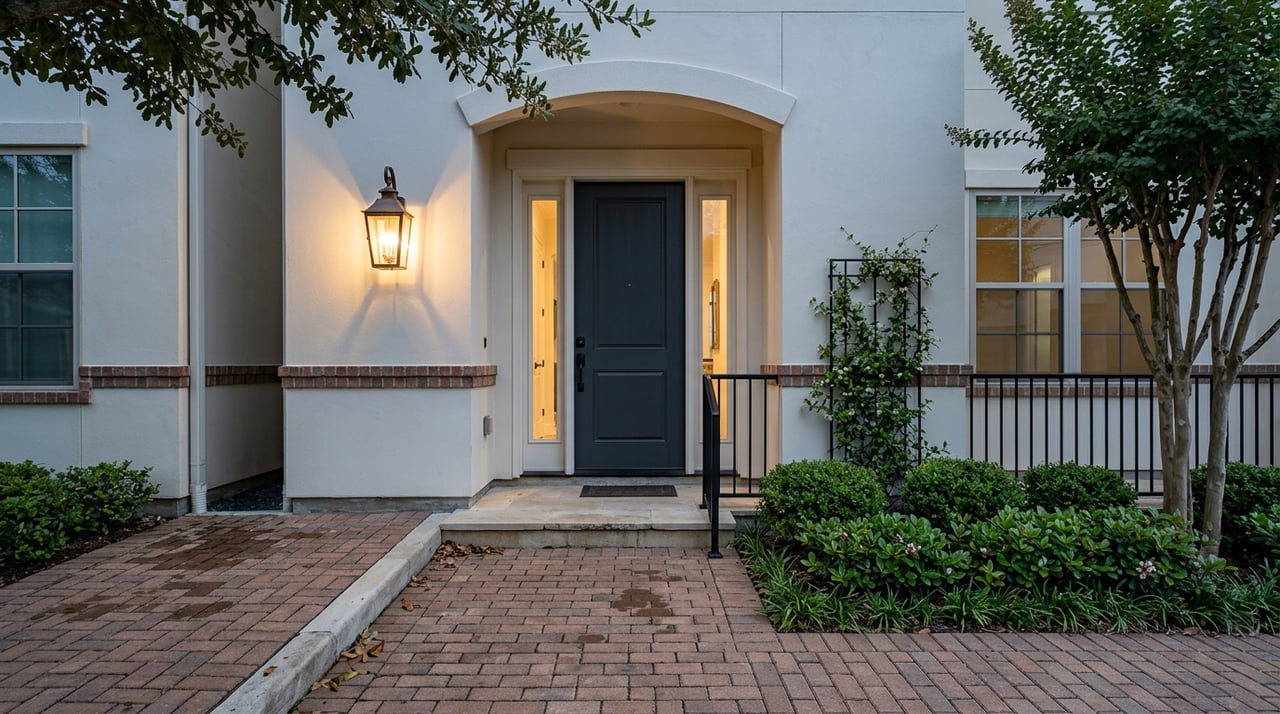
A townhome often means fee‑simple ownership of both the structure and the land underneath it. In many townhome communities, you handle more exterior upkeep than condo owners do, though some townhome developments are legally organized as condominiums. Always check the community’s recorded documents to see what you own and what the association maintains.
In Louisiana, the words “condo” and “townhome” describe both style and legal structure. What matters for you is whether the community is a condominium regime or a fee‑simple HOA. That choice affects maintenance, insurance, financing, and resale. Ask early for the declarations and bylaws, then align your expectations with how the property is organized under state law.
You will find a steady mix of condo and townhome options close to Louisiana State University. These locations appeal to people who want proximity to campus, dining, and major roads. Attached homes here often serve downsizers, professionals, and LSU‑affiliated buyers who value convenience.
The Perkins Rowe and Mall of Louisiana corridor features mixed‑use settings with shopping, dining, and entertainment nearby. Townhome communities and low‑rise condo buildings are common. If you want easy access to I‑10 and everyday amenities, start your search here.
Downtown Baton Rouge and the Mississippi riverfront include some condo buildings and converted spaces. These locations work well if you prefer an urban feel, historic architecture, and short trips to offices or civic venues. Inventory changes often, so a local search plan helps you act fast.
Association dues usually fund two buckets: operations and reserves. Operations include day‑to‑day costs like landscaping, property management, and utilities for common areas. Reserves fund major replacements over time, such as roofs or paving. Features and amenities drive dues, and condos with elevators or larger amenity sets often carry higher fees. For a helpful overview of how HOAs budget and when fees rise, review this primer on what HOA fees cover and red flags to watch.
A healthy association maintains a current reserve study and steady reserve balance. When reserves run low, owners can face special assessments to fund big projects. Secondary‑market investors like Freddie Mac also look at reserves during project approval, which can impact your financing options. Read more about project‑level expectations in this condo and PUD approval overview.
Most condo associations carry a master property and liability policy that covers the building shell and shared elements. As an owner, you still carry an HO‑6 or similar policy for your interior finishes and personal property, based on what the declarations require. For flood risk, many Louisiana condo associations use the NFIP’s Residential Condominium Building Association Policy. Learn how association‑level flood coverage and owner policies fit together in this RCBAP guide.
Because flood exposure varies block to block, always check FEMA flood maps and parish resources before you buy. The LSU AgCenter flood zone tool is a practical starting point.
In East Baton Rouge Parish, assessed value for residential property is commonly calculated as 10 percent of market value, and Louisiana’s homestead exemption can reduce the taxable amount on an owner‑occupied home. The parish explains assessments, homestead rules, and millages on its site. Review the current guidance on the East Baton Rouge Parish Assessor’s page and verify the actual tax bill for any property you consider.
Louisiana’s property insurance market has seen volatility in recent years, and associations feel those shifts through master policy premiums. Recent state updates show improving rate trends into 2025 and 2026. Get context from the Louisiana Department of Insurance update, and ask your lender and insurance broker how premiums and deductibles may affect your monthly cost.
Lenders do not just underwrite you. They also review the project. If a condo meets Fannie Mae and Freddie Mac standards it is considered warrantable, which usually gives you more loan choices and better rates. Use your lender’s tools and guidance, including Fannie Mae’s Condo Project Manager overview, to understand the project’s status early.
Projects can run into eligibility issues for things like inadequate insurance, high commercial space, hotel‑like operations, or unresolved structural items. See examples of ineligible project characteristics so you know what to ask.
If you plan to use FHA or VA financing, confirm whether the project has approval or whether a single‑unit approval path fits your situation. Condo questionnaires and document requests add time to underwriting. Get the association packet and lender questions started as soon as you go under contract.
A delinquency rate over certain thresholds can be a red flag for lenders and a cash‑flow risk for the community. Fannie Mae’s full review process outlines these items along with other project‑level checks. Your lender can explain how these factors affect your file. For background, review the Fannie Mae full review overview.
Ask for the full association packet early and use your inspection window to review it. Key items include:
You deserve a clear, low‑stress path to the right attached home. Our team pairs hyperlocal Baton Rouge expertise with a steady, document‑first process so you see the full picture before you commit. We help you evaluate fees, reserves, insurance, and lending fit, then negotiate with confidence. If you are relocating, we also streamline tours and closing logistics around your schedule.
Ready to compare Baton Rouge condos and townhomes side by side, with the facts that matter? Connect with The Natasha Engle Team to Schedule a Complimentary Home Consultation & Market Valuation.


Not only do we provide you resources on finding you your new dream home; We will also sell your home quickly with technology that far surpasses the average agent.