Mid City Baton Rouge Lifestyle: Arts, Bungalows & More
June 11, 2026
June 11, 2026
Are you looking for a Baton Rouge neighborhood with real personality, not just a place to sleep at night? Mid City stands out for exactly that reason. If you love older homes, local events, and the kind of neighborhood where dining, music, and art are part of everyday life, this guide will help you understand what makes Mid City so appealing. Let’s dive in.
Mid City has built a clear identity around culture, local business, and older housing. Louisiana officially recognizes a Mid City Cultural District, and local tourism and merchant groups describe the area as a creative, eclectic part of Baton Rouge centered around Government Street and nearby corridors.
That matters when you are thinking about where to live. Instead of feeling purely residential, Mid City offers a lifestyle that blends homes, small businesses, gathering places, and community activity. For many buyers, that mix is a big part of the draw.
In Mid City, the arts are not an afterthought. They help define the neighborhood’s identity and keep the calendar active throughout the year. That gives the area a sense of momentum that many buyers notice right away.
Major events help tell that story. White Light Night is described by Mid City Merchants as the neighborhood’s largest art festival, while Hot Art Cool Nights brings a spring arts and culture focus. Taste of Mid City adds a food-centered event that also supports local nonprofits.
Together, these events create more than a once-a-year festival atmosphere. They give Mid City recurring moments of art, music, food, and community connection that support the neighborhood’s reputation as Baton Rouge’s cultural and creative center.
Mid City also has creative spaces that stay active beyond festival season. Visit Baton Rouge highlights places such as Baton Rouge Gallery, Create Studios, Boomerang Comedy Theatre, BR.cade, Electric Depot, and Mid City Ballroom.
That range matters because it supports different kinds of outings. You might be heading to a gallery, live music venue, comedy space, or entertainment spot, all within the broader Mid City experience. For residents, that can make the neighborhood feel more dynamic and engaging throughout the week.
One reason Mid City feels lifestyle-oriented is the way activity clusters along Government Street and nearby corridors. Restaurants, bars, arts venues, and gathering spaces are close enough to create a stronger street-level feel than you may find in more spread-out parts of Baton Rouge.
Electric Depot is a strong example of that pattern. Build Baton Rouge describes it as a former power plant site that was redeveloped into a mixed-use cultural and commercial destination with restaurants, entertainment, housing, and green space. The project was intended to reinforce walkability and create more community gathering space along Government Street.
Electric Depot also says something important about Mid City’s evolution. Growth here is not just about replacing older places with something entirely new. In many cases, the area continues to evolve through preservation, adaptive reuse, and infill.
For buyers and sellers, that creates a different kind of market story. Mid City’s value is tied not only to location, but also to the way older architecture and newer investment work together.
Mid City’s dining and nightlife scene adds to its everyday livability. Visit Baton Rouge highlights local names such as Barracuda Taco Stand, Brasserie Byronz, Elsie’s Plate & Pie, Soji Modern Asian, Pelican to Mars, The Radio Bar, Mid City Beer Garden, Mid-City Daiquiri, and Phil Brady’s.
That mix is important because it covers more than one type of outing. You have options for lunch, brunch, dinner, cocktails, live music, and later-night stops, all woven into the neighborhood itself. For many buyers, that convenience supports a more connected and enjoyable routine.
Mid City is not just a neighborhood with a few well-known destinations. According to Visit Baton Rouge’s Mid City coverage, the restaurant and entertainment scene is woven into the fabric of the area.
That can make a real difference in how a neighborhood feels once you live there. Instead of planning every outing across town, you may find that Mid City supports both weekday habits and weekend plans close to home.
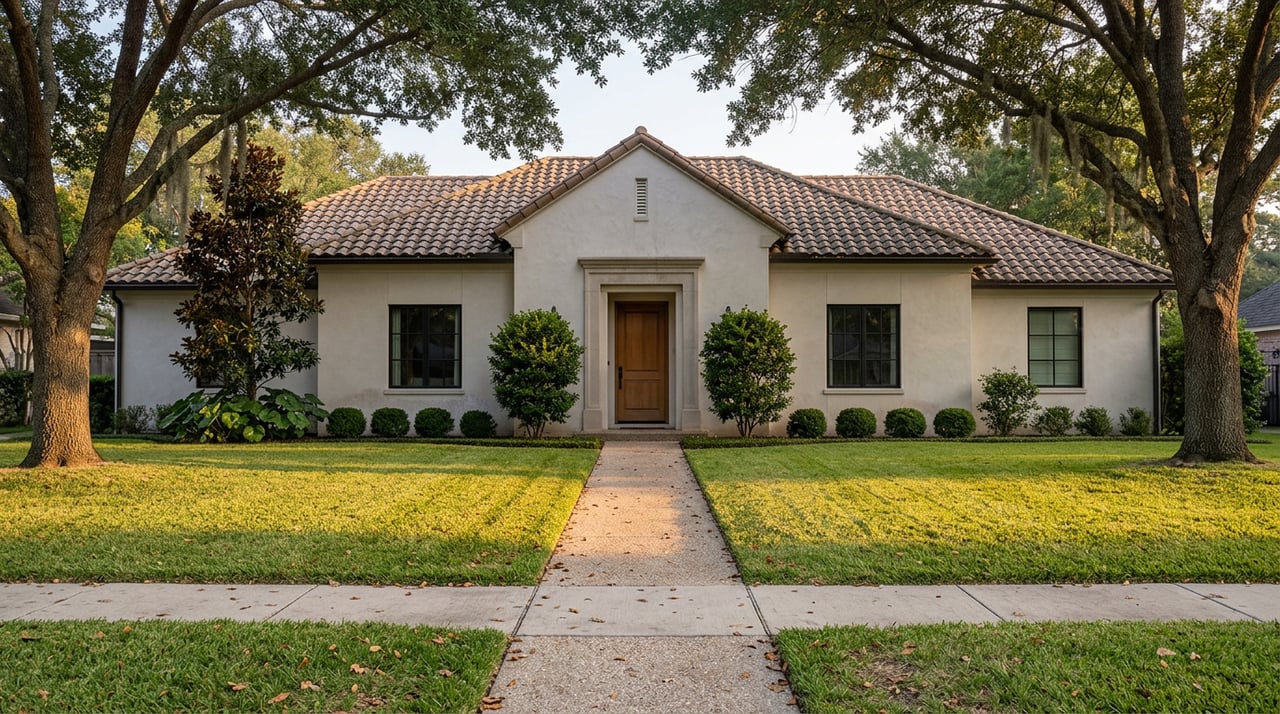
If you are drawn to architecture with history and personality, Mid City has a lot to offer. The housing stock is known for older homes rather than large-scale suburban uniformity, which gives the area a more distinctive visual identity.
A PlaceEconomics analysis notes that Mid City retains historically and architecturally significant buildings alongside modest single-family neighborhoods. It also points to nearly $3 million invested in preservation and recapitalization of individual homes across the area. That supports the idea that Mid City appeals to buyers who value character and see potential in older homes.
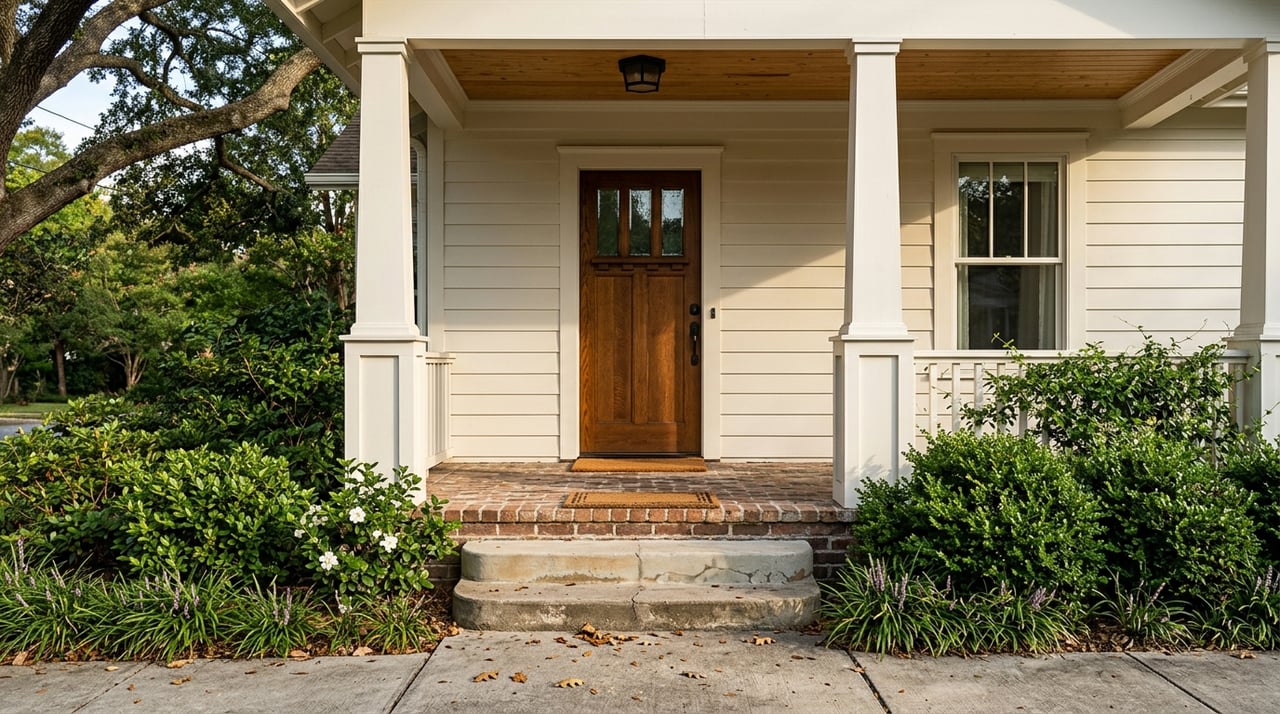
In and around Mid City, bungalow-style homes and other early-20th-century properties are part of the appeal. Nearby Drehr Place helps illustrate this broader housing story. The City of Baton Rouge says most homes there were built before the Great Depression, with Craftsman/Bungalow and Classical Revival or Colonial Revival styles among the most common.
The city also notes features such as mature live oaks, rear alleyways, and relatively small lots. In practical terms, those details often translate into charm, scale, and a stronger sense of place. They also highlight why thoughtful upkeep and renovation matter so much in this part of town.
Mid City can be especially attractive if you want a home with renovation potential. Older properties may offer original details, established settings, and room for customization that newer construction does not always provide.
At the same time, renovation is not always as simple as updating finishes. The City of Baton Rouge explains that local historic districts use design controls and may require a Certificate of Appropriateness for exterior changes visible from the street. In some cases, demolition review may also apply.
That does not mean a renovation project is a bad idea. It means you should go in with clear expectations. If a home falls within a local historic district, you may need more planning, more review, and a more careful approach to exterior changes.
For the right buyer, that process can be worth it. A well-updated bungalow in Mid City can combine original character with modern function in a way that feels both personal and lasting.
Mid City generally sits above Baton Rouge’s citywide price baseline. Redfin’s April 2026 data puts Baton Rouge’s median sale price at $234,879, while Mid City’s median sale price is listed at $277,397.
That places Mid City about 18.1% above the citywide median. The premium suggests that buyers are willing to pay more for the neighborhood’s mix of character, location, and demand.
Even with that premium, pricing in Mid City is not one-size-fits-all. Realtor.com reports 96 properties for sale, a median listing price of $300,000, a median price per square foot of $190, and homes typically closing at about 97% of asking.
The takeaway is simple. Mid City is not a bargain market, but price still depends heavily on condition, renovation quality, and the specific block. Two homes with similar square footage can perform very differently based on updates, presentation, and location within the neighborhood.
If you are considering Mid City, it helps to know what you are really shopping for. You are not just buying square footage. You are often choosing between character, condition, location, and renovation potential.
That means your home search should focus on more than price alone. Look closely at the quality of updates, the amount of original detail that remains, and how the home fits your day-to-day lifestyle. In Mid City, the surrounding experience can be part of the value.
If you own a bungalow or other character home in Mid City, presentation matters. Buyers in this area are often responding to more than basic features. They are paying attention to charm, design, updates, and how a home connects to the neighborhood’s lifestyle.
That is why strong visuals, thoughtful staging, and a clear pricing strategy can make a difference. In a market where condition and renovation quality heavily influence value, the story you tell about your home matters almost as much as the specs.
For Mid City sellers, original features and tasteful improvements can be especially important. Elements like wood floors, built-ins, porch appeal, mature landscaping, and renovated kitchens or baths may help buyers see both character and usability.
Just as important, your marketing should place the home in context. A Mid City listing often performs best when it highlights not only the house itself, but also the neighborhood’s arts, food, and cultural identity.
If you are thinking about buying or selling in Mid City, working with a team that understands Baton Rouge micro-markets, pricing nuance, and presentation strategy can help you make smarter moves. For tailored guidance on Mid City homes and bungalow living, connect with The Natasha Engle Team.
Not only do we provide you resources on finding you your new dream home; We will also sell your home quickly with technology that far surpasses the average agent.